Impressionist
Edgar Degas
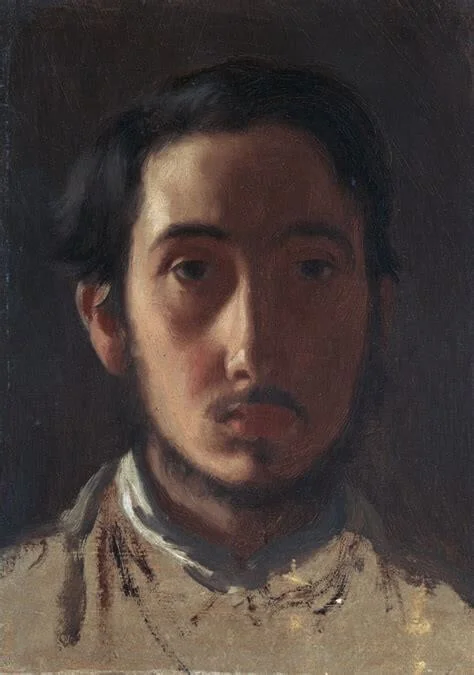
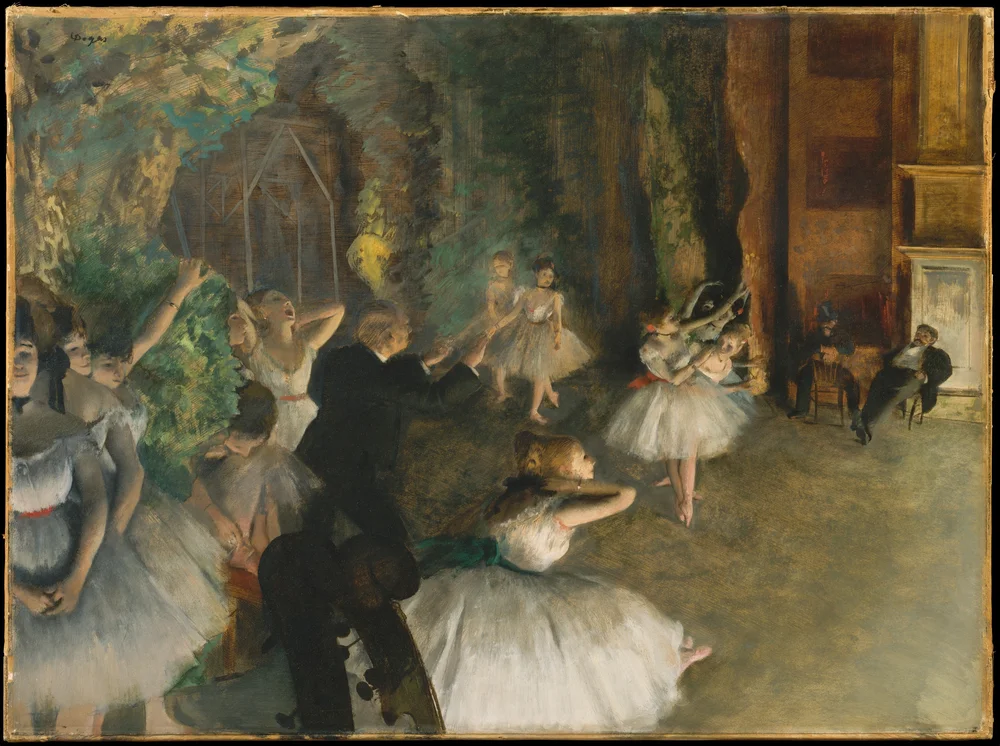
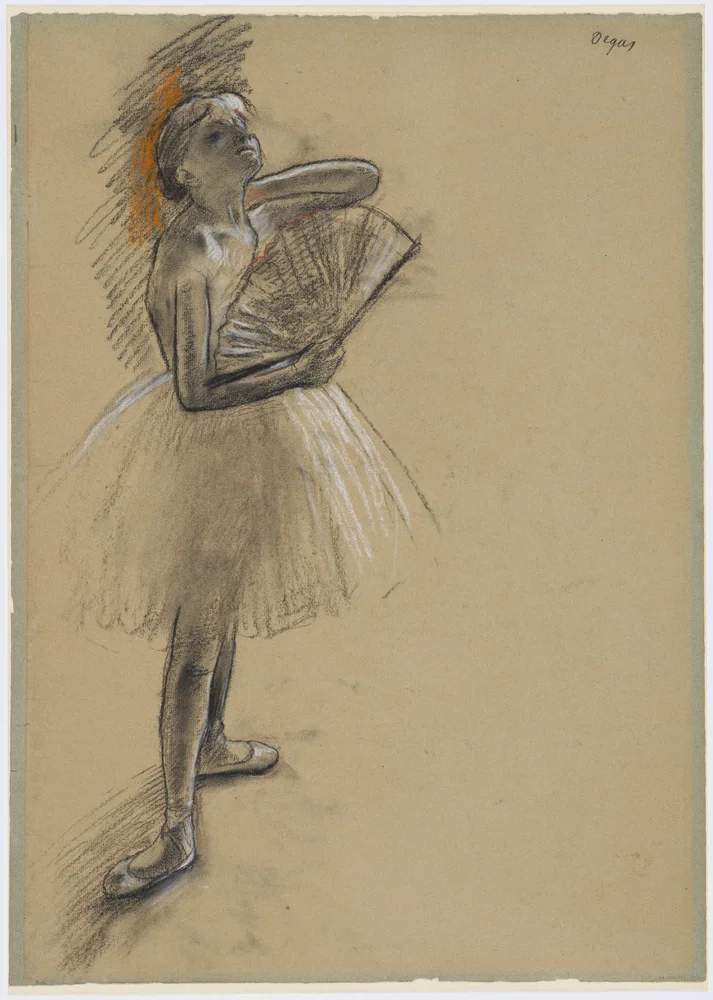
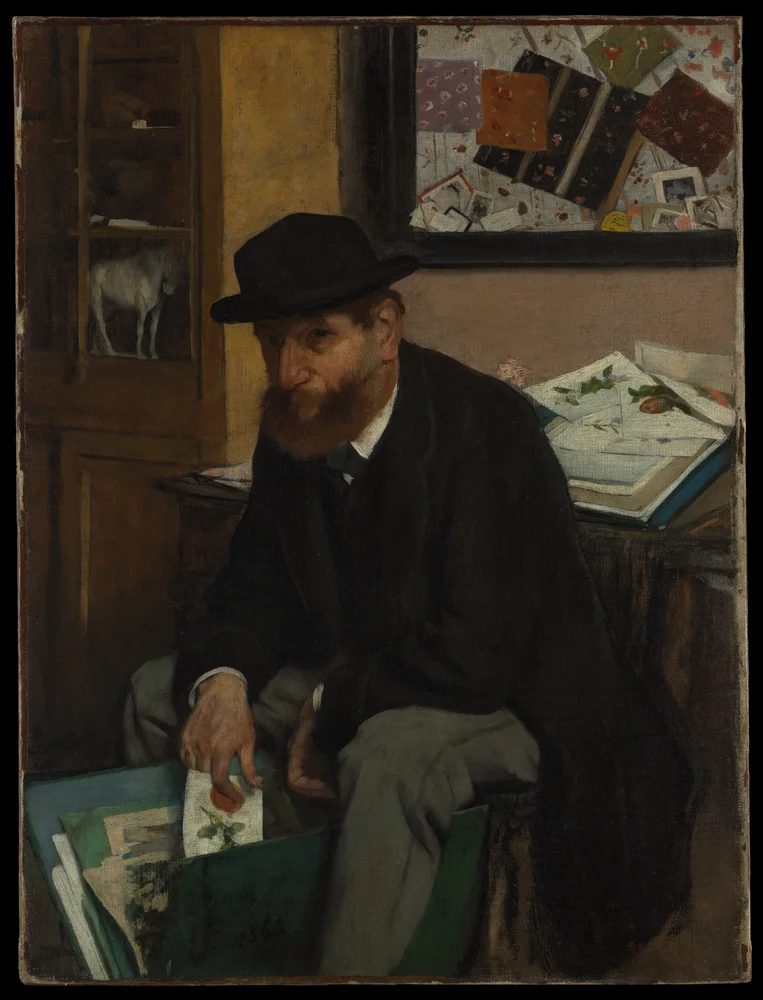
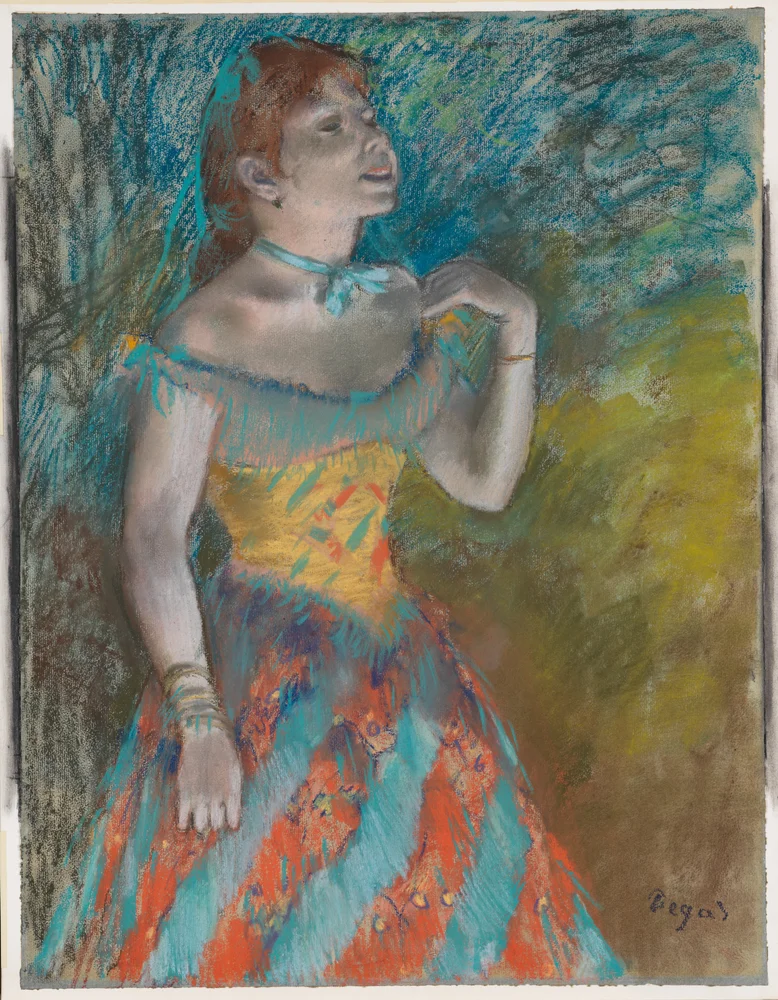
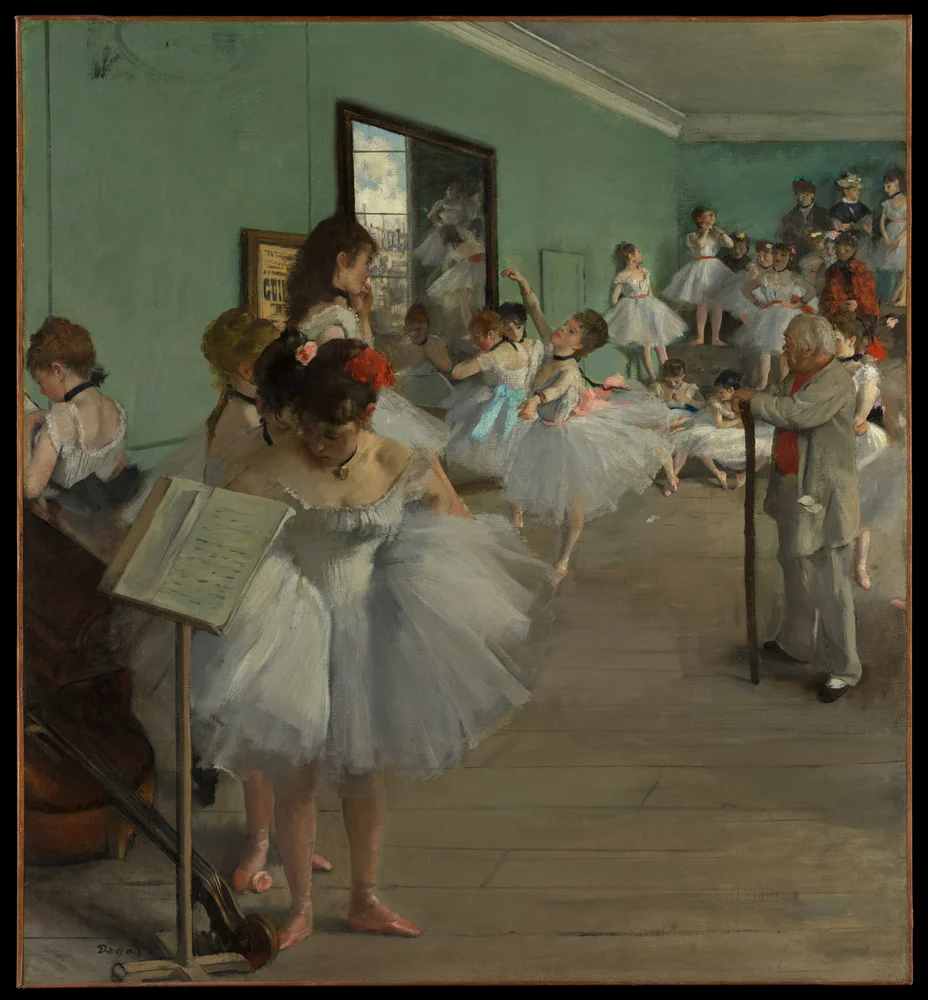
Edgar Degas (1834–1917) was a French artist who, despite being one of the founders and most important core members of the Impressionists, always preferred to call himself a "Realist" or "Independent." Born in Paris in 1834 into a wealthy banking family, he was classically educated and trained in the academic studio of Louis Lamothe, which instilled in him a lifelong emphasis on line and draftsmanship, deepened by long study trips to Italy in the late 1850s. Rather than painting the plein-air landscapes favored by his peers, Degas sought fleeting moments of modern urban life, concentrating on ballet dancers, café and theater performers, laundresses, milliners, and women at their toilette, eventually producing roughly 1,500 works on ballet alone. Drawing on Japanese prints and unconventional compositional devices, he used cropping, asymmetry, and steep, unexpected vantage points to capture movement and the physicality of his subjects — an approach visible in famous works like The Dance Class (1874). A superb draftsman and master of depicting motion, he increasingly worked in pastel after about 1885, and as his eyesight failed in later decades he turned to sculpture, most notably the celebrated Little Dancer of Fourteen Years. Considered one of the great masters of late 19th-century art, Degas is remembered for his technical inventiveness and his exploration of the language of art to a more extreme degree than his contemporaries.